
SMARTePLANS® Experts in Planning!
T (0800) 6122 067
Email: team@smarteplansuk.com
SMARTePLANS®
167-169 Great Portland Street, London, W1W 5PF
New Build
🏆WINNERS OF BUILD ARCHITECTURE AWARDS
Most Innovative Architectural Design & Planning Company 2026 - London
Luxury New Home Construction Company of the Year 2024 - UK
Best Luxury New Home Construction Enterprise 2024
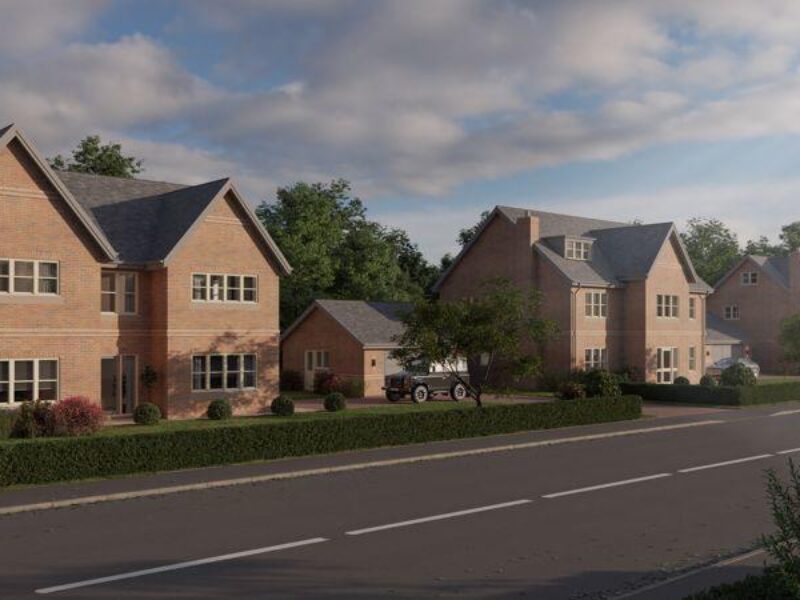
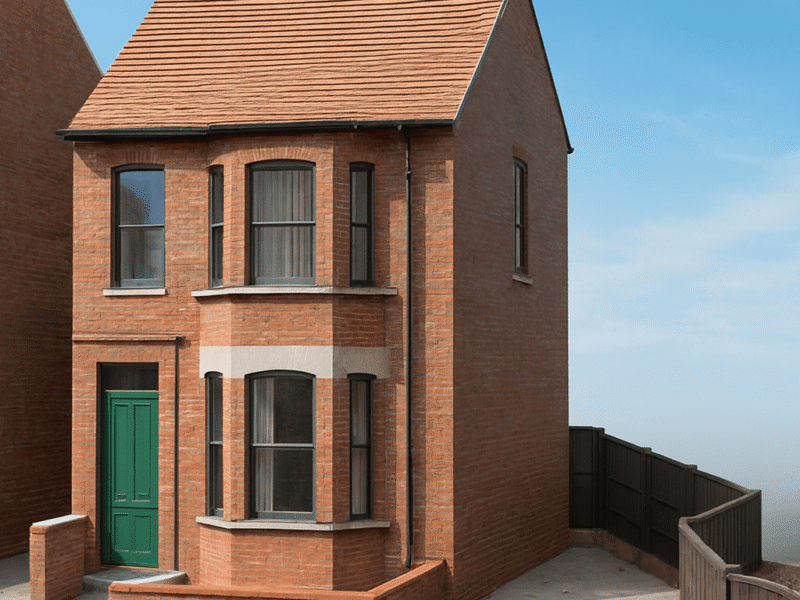
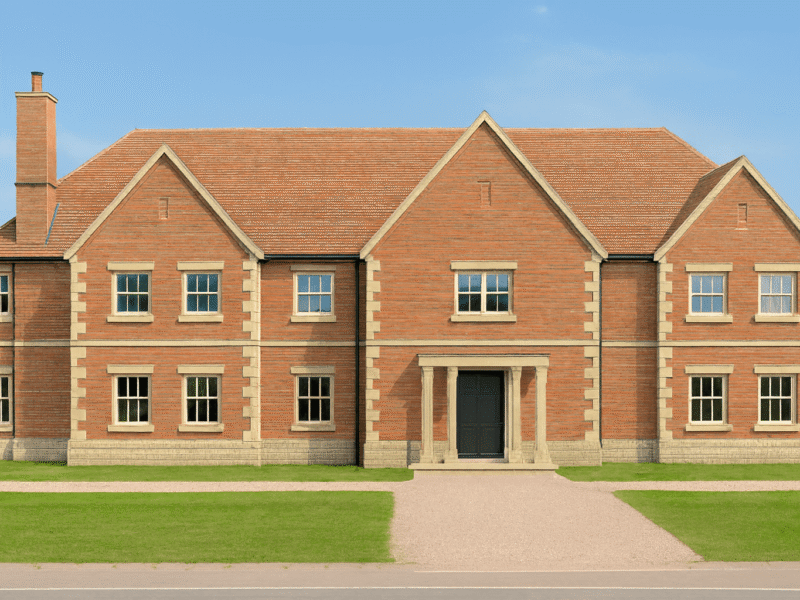
Our team work closely with our clients, delivering both an expert and intuitive approach to their development. It is our intention to use our expertise to inform our clients and produce a service that delivers the intended design, function and value for money of both design and outcome. Although councils will attach great importance to the design and planning drawings and can refuse a development of poor design, their planning policies considerations and decisions can vary and there are many issues that need to be considered. Our vast experience in New Home Construction, allows our team to articulate any findings within the development process to achieve effective results.
SMARTePLANS®
SMARTePLANS®
SMARTePLANS®
SMARTePLANS®
SMARTePLANS®
SMARTePLANS®
SMARTePLANS®
SMARTePLANS®
SMARTePLANS®
SMARTePLANS®
SMARTePLANS®
SMARTePLANS®
SMARTePLANS®
SMARTePLANS®
SMARTePLANS®
SMARTePLANS®
SMARTePLANS®
🏡 Types of Planning Applications for a New‑Build House
Building a new home almost always requires formal planning permission, but the type of application you submit depends on the specifics of your project and the status of the land. Below are the main application routes used for new‑build houses in England.
1. Full Planning Application
A Full Planning Application is the most common route for a new‑build home. It requires detailed architectural drawings, site plans, elevations, design statements, and supporting reports (such as drainage, heritage, ecology, or transport, depending on the site). This application seeks approval for the entire proposal in one go, including layout, appearance, access, landscaping, and scale.
2. Outline Planning Application
An Outline Application establishes whether the principle of building a house on the site is acceptable before you invest in full technical drawings. Only the broad concept is assessed at this stage. If approved, you must later submit Reserved Matters to secure full consent.
3. Reserved Matters Application
This follows an approved Outline Application. It covers the detailed elements not included previously, such as:
- Appearance
- Layout
- Scale
- Landscaping
- Access
Once Reserved Matters are approved, you have full permission to build.
4. Permission in Principle (PiP)
PiP is a two‑stage route suitable for small‑scale housing developments (up to 9 dwellings). Stage 1 establishes whether the site is suitable “in principle”. Stage 2 requires a Technical Details Consent application, similar to Reserved Matters, to finalise the design.
5. Lawful Development Certificate (LDC)
An LDC is not a planning permission, but in rare cases—such as replacing an existing dwelling on a like‑for‑like basis—it can confirm that planning permission is not required. For most new‑build houses, however, an LDC is not applicable.
6. Prior Approval (Very Limited Cases)
Prior Approval is generally not available for new‑build houses, except in specific circumstances such as:
- Converting certain agricultural buildings to dwellings (Class Q)
- Converting commercial buildings to residential (Class MA)
These routes still require a formal submission but are assessed against narrower criteria than a full planning application.

Our approval success rates speaks for themselves, don't leave it to chance, contact us today!