SMARTePLANS® PLANNING PERMISSION BEST KEPT SECRET FOR ADDING VALUE TO YOUR PROJECT.

With all the latest knowledge and advice, SMARTePLANS® will guide you through the planning process.

Home Extensions

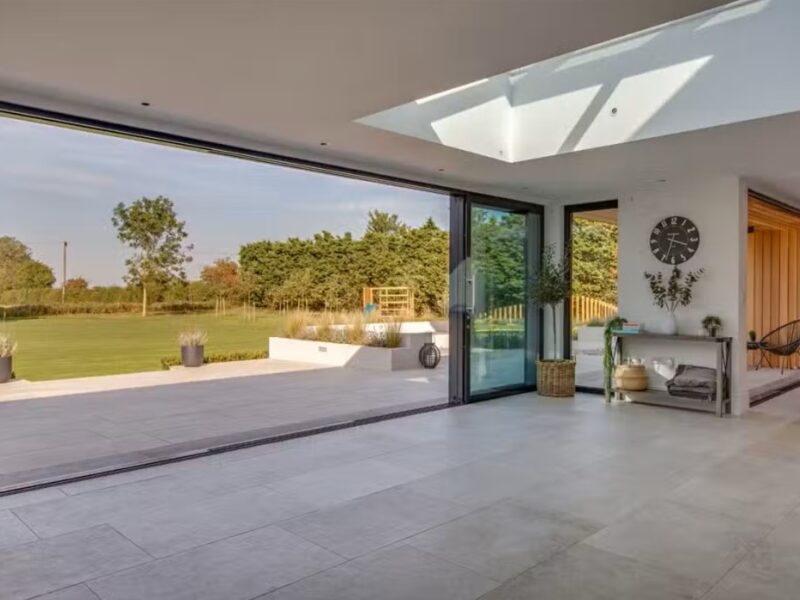
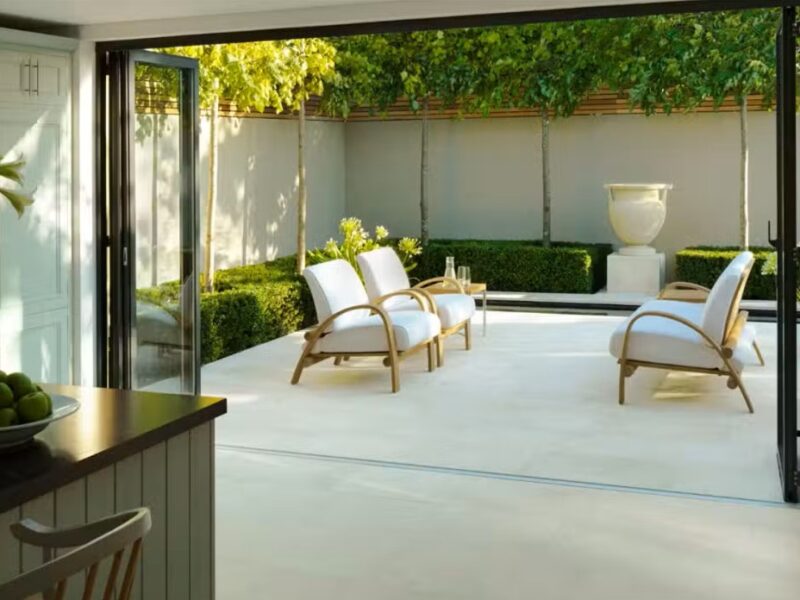
A Well designed home extensions can transform any home by maximising the footprint and adding value!
FORMING A GOOD BRIEF FOR HOUSE EXTENSIONS
Your first steps should be to consider what you want to change about your property. This will form a good brief for your home extension project. At this stage it’s best not to focus too much on the specific ideas you think you want to pursue. It is better to say you need another bedroom and a bigger kitchen, rather than you want to extend the ground floor, on the right hand side, next to the current kitchen. When you can clearly state what you want your extension to give you, we can provide the professional advice you need to make it happen. The best layout for your extension may not be what you first thought.

Planning Permission SMARTePLANS®

SMARTePLANS®

Planning Permission SMARTePLANS®

SMARTePLANS®

SMARTePLANS®
SMARTePLANS®
SMARTePLANS®
SMARTePLANS®
SMARTePLANS®
SMARTePLANS®
Planning Permission SMARTePLANS®

SMARTePLANS®

Planning Permission SMARTePLANS®

SMARTePLANS®

SMARTePLANS® Extensions
SMARTePLANS®

SMARTePLANS® New House Construction

SMARTePLANS®

SMARTePLANS® Extensions

SMARTePLANS®

SMARTePLANS® Extensions

SMARTePLANS®

SMARTePLANS® Extensions

SMARTePLANS®

SMARTePLANS® Extensions

SMARTePLANS®

SMARTePLANS® Extensions

SMARTePLANS®

TYPES OF EXTENSIONS

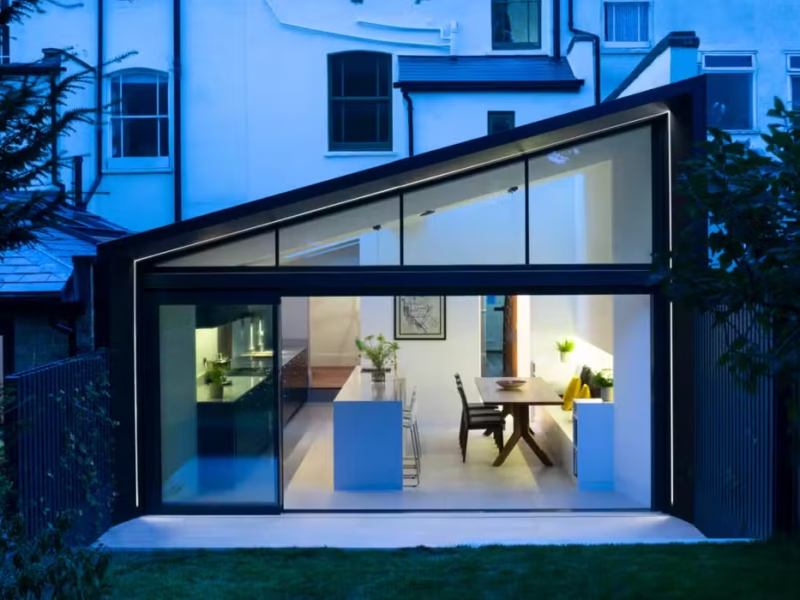
Side Return Extension

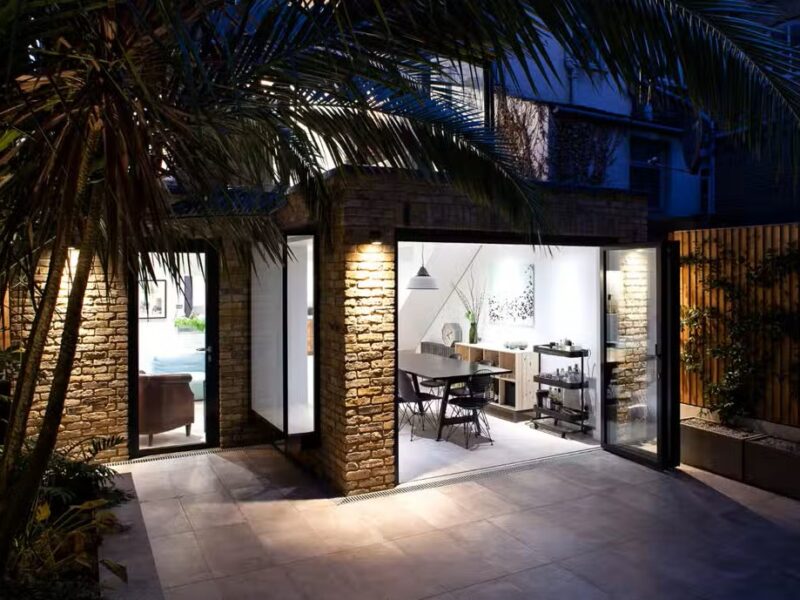
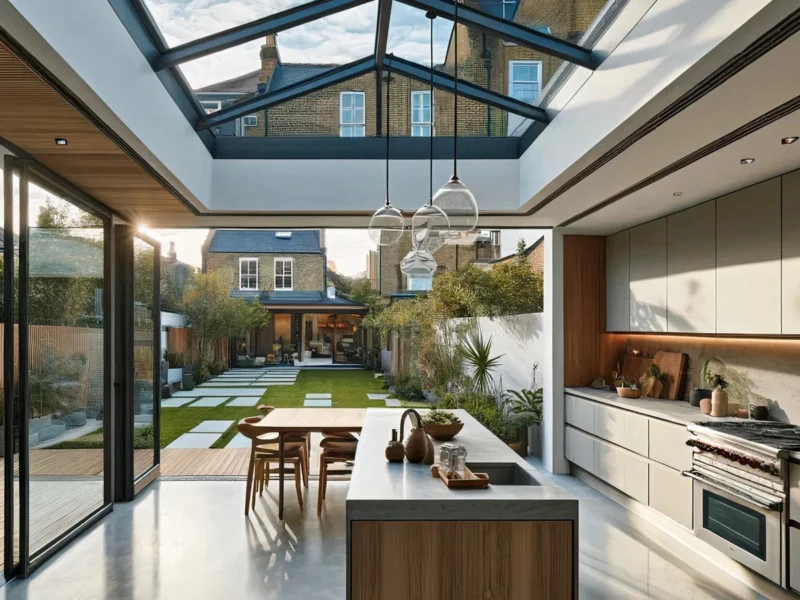
A side return extension stretches your home into an alley way at the side of your house. This is often a relatively small extension but it can have a great impact on the look and feel of your property.
Wrap-around Extension
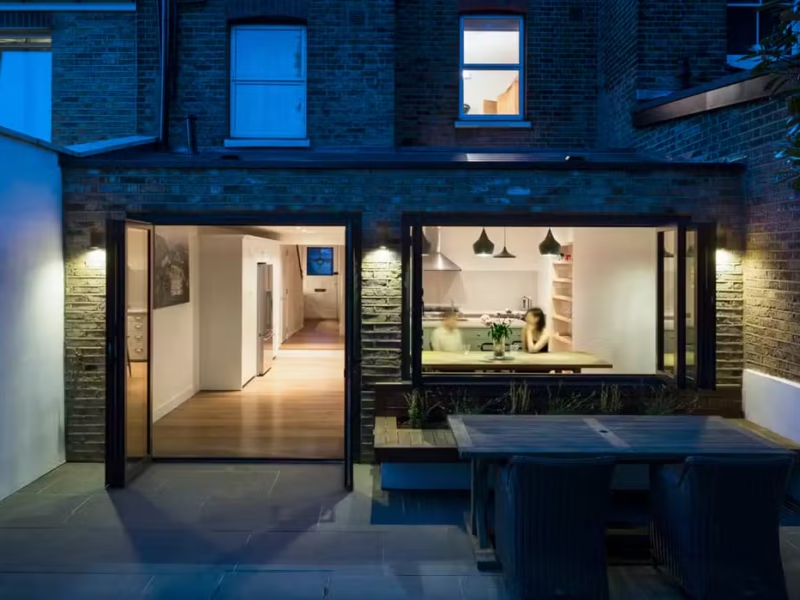
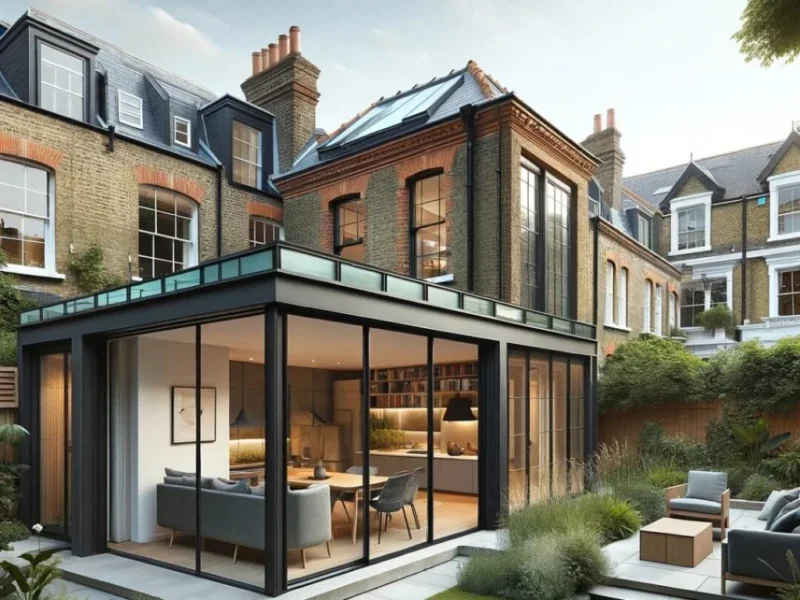
This is a side return extension combined with a rear extension. The wrap around extension can provide maximum space and dramatically alter the feeling and shape of your home.
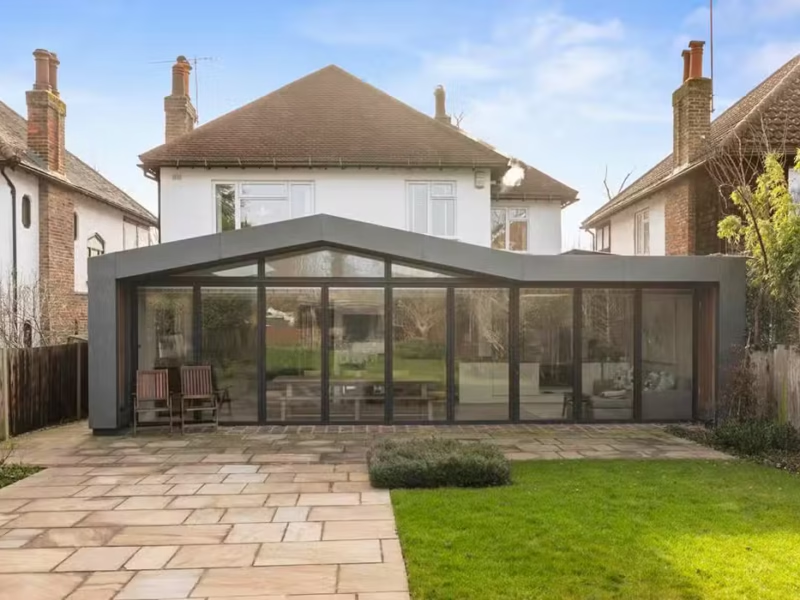
Rear Extensions

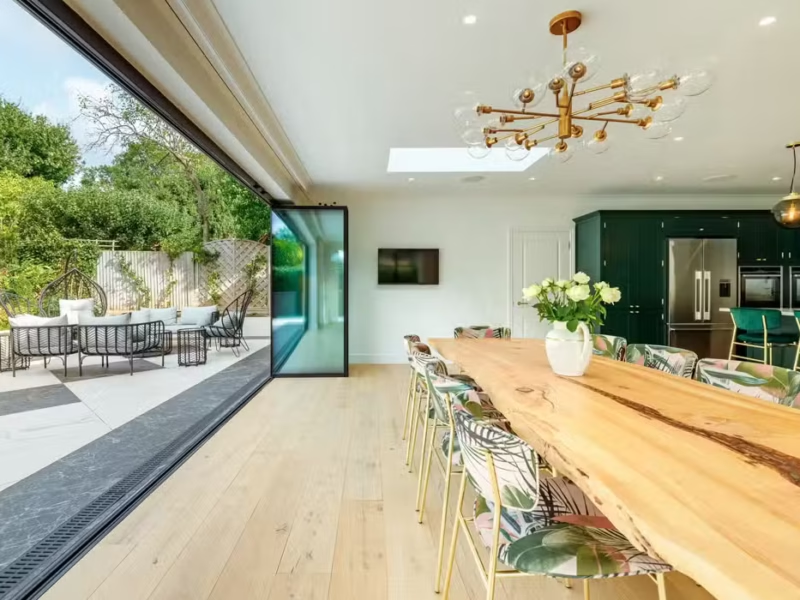
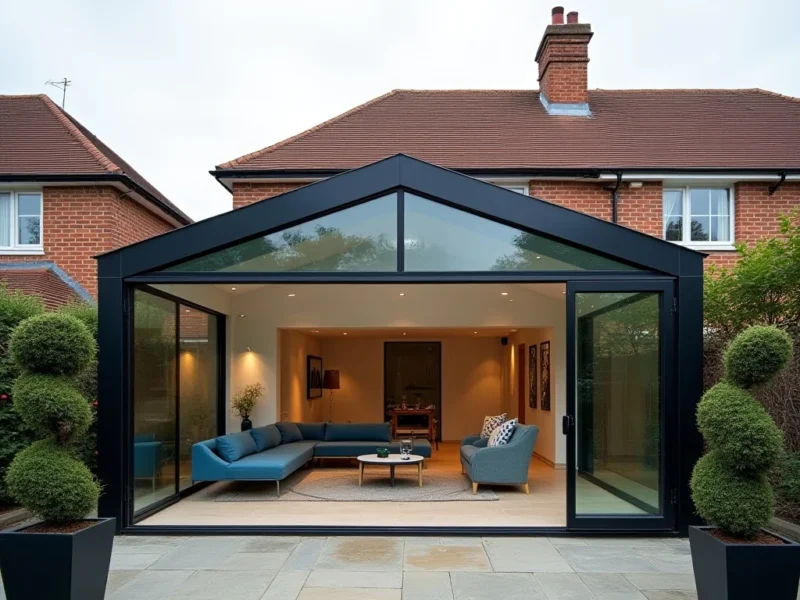
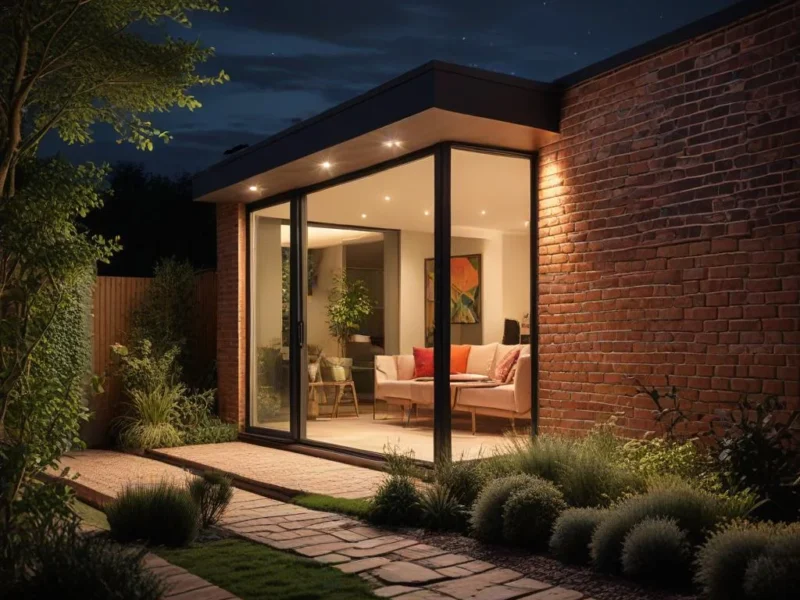
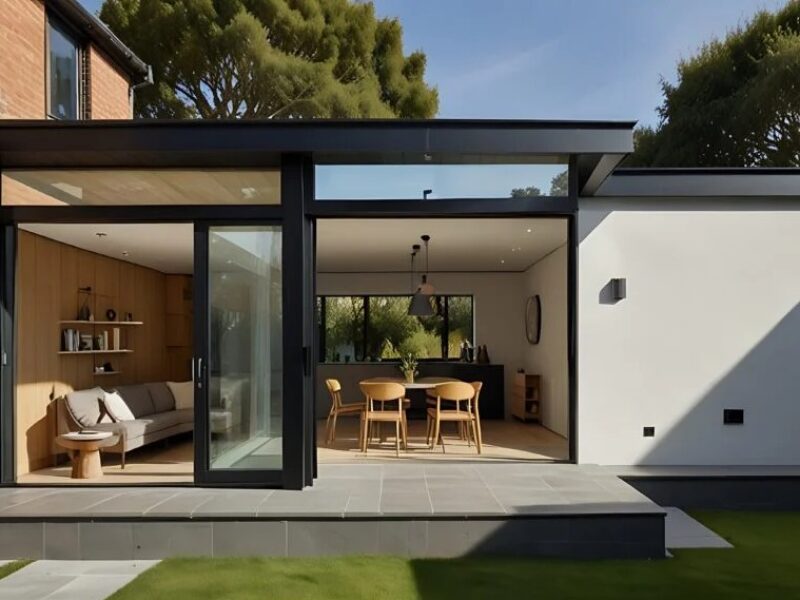
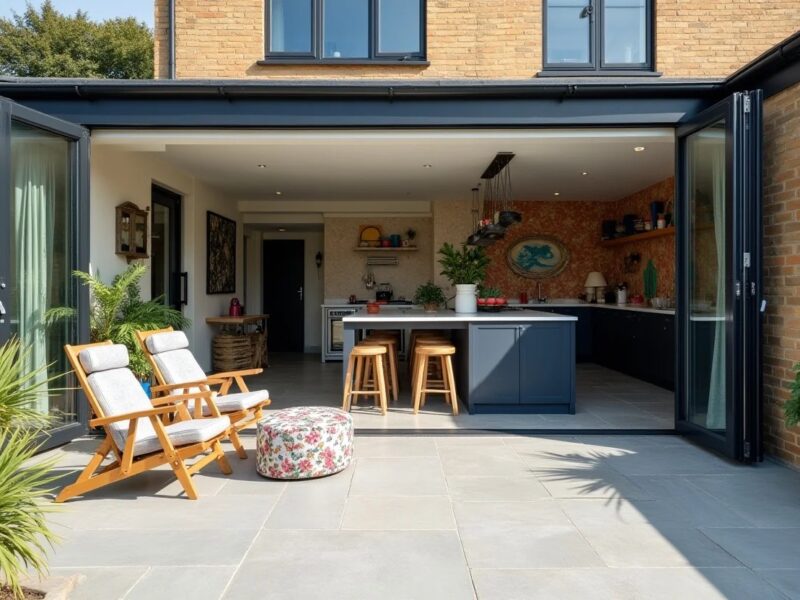
As the name suggests, rear extensions extend out from the back of your property and are typically carried out on properties where there is no side return option or on detached properties. They extend the size of your kitchen and can usually include a dining or living space in addition.

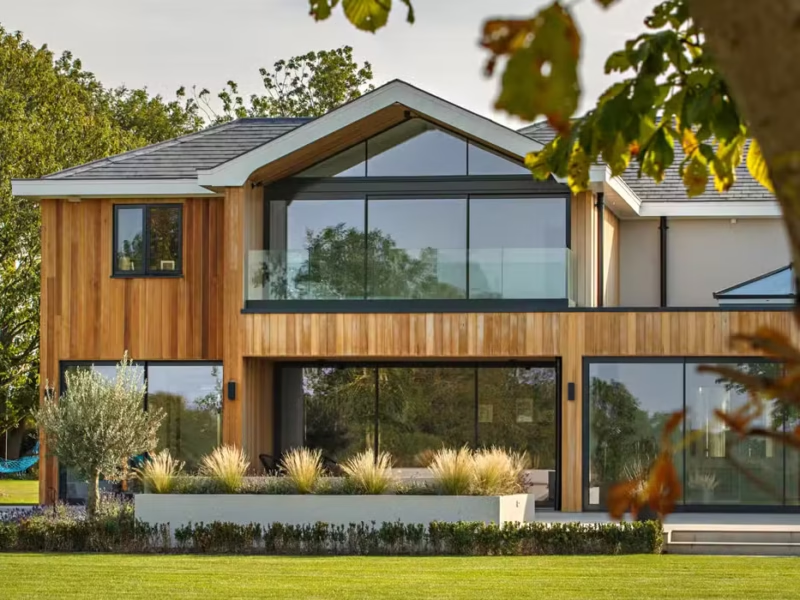
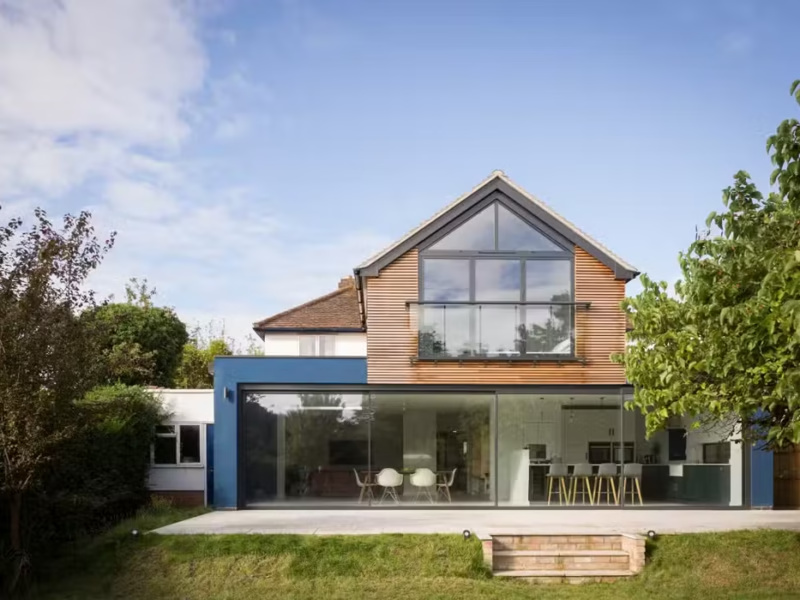
Two Storey Extensions

Two storey home extensions cost more than other varieties as the building work would need to be completed on two levels and there is double the space to work on. However, on the plus side a huge amount of space is opened up meaning that you could potentially add a bigger or additional living space as well as an extra bedroom.

A two‑storey extension allows you to build upwards from what would typically be a single‑storey addition, effectively doubling the amount of new space you can create. These extensions can be added to the rear or side of a property and are ideal for homeowners looking to maximise both ground‑floor and first‑floor living areas.

Two‑storey extensions are often more cost‑effective than you might expect. The cost per square metre is usually lower than that of a single‑storey extension, as the foundations and roof are shared across two levels. However, because these projects tend to be larger in scale, they still represent a significant investment overall.

Thanks to changes introduced in 2020, some two‑storey extensions may fall within Permitted Development rights, meaning a full planning application may not be required—provided the design meets all relevant criteria. This can streamline the process, but careful checks are essential to ensure compliance.

Over‑Structure Extensions

An over‑structure extension is built directly above an existing part of your home—most commonly a garage. It’s an ideal solution when you want to increase your living space without sacrificing any of your garden. This type of extension is particularly effective for adding first‑floor rooms such as an additional bathroom, a study, a utility room, or even a new lounge.

Because the new structure sits on top of an existing one, these projects require detailed structural assessment. A structural engineer must confirm that the supporting building below can safely carry the additional load. These technical requirements can influence both the complexity and the overall cost of the project.

A typical brief for house extensions should include:
Reasons why you may want to extend:
• Need an extra bedroom
• Main bedroom needs an en-suite
• Kitchen is too small
• The garage is largely under utilised
Essential requirements:
• Need an independent annexe
• More open space for entertaining
• We like contemporary light spaces

Some developments do not require full planning permission and are covered within Permitted Development. For further information or help on a project please contact us and we will be happy to advise you and discuss your project requirements in greater detail.

TOP