
SMARTePLANS® Experts in Planning!
T (0800) 6122 067
Email: team@smarteplansuk.com
SMARTePLANS®
167-169 Great Portland Street, London, W1W 5PF
Planning Vs Permitted Development
🏗️ Planning Permission vs. Permitted Development (PD)
1. What They Are
Planning Permission:
Formal consent from the Local Planning Authority (LPA) to carry out development.
- Required for new buildings, major alterations, and changes of use.
- Decided based on local policies, design, heritage, and neighbour impact.
Permitted Development (PD):
A national set of rights allowing certain works without applying for planning permission.
- Only allowed if strict size, height, and location rules are met.
- More limited in London due to conservation areas and Article 4 Directions.
🏡 What You Can Usually Do Under Permitted Development
(Subject to strict limits and not applicable to flats)
- Small rear extensions
- Loft conversions within volume limits
- Outbuildings (e.g., garden offices)
- Internal alterations
- Some changes of use via prior approval (e.g., office → residential)
BUT in London:
- Conservation areas (e.g., Kensington & Chelsea) heavily restrict PD.
- Article 4 Directions often remove rights entirely.
- Roof alterations, dormers, and cladding often require full planning.
🏙️ When You Need Planning Permission (London‑specific)
- Any external change to a flat or maisonette
- Extensions in conservation areas
- Mansard roofs, front dormers, roof terraces
- Converting a house into flats
- Demolition of walls, chimneys, or outbuildings in conservation areas
- Any work exceeding PD limits
🧭 How to Decide Which Route You’re In
Ask these questions:
- Is the property a house?
- If no → PD does not apply → planning permission required.
- Is it in a conservation area or Article 4 area?
- If yes → PD may be restricted or removed.
- Does the proposal change the external appearance?
- If yes → check PD limits; otherwise planning permission.
- Is it a change of use?
- Some are PD (via prior approval), others require planning.
🏙️ When Planning Permission Is Required in London
1. Building Something New
- New houses, flats, outbuildings, commercial buildings
- Garden studios that exceed permitted development limits
- Any new structure in a conservation area (very common in London)
2. Major Alterations to an Existing Building
You need permission if the work changes the external appearance beyond permitted development limits, including:
- Large rear or side extensions
- Loft conversions that exceed volume limits
- Mansard roofs (almost always require permission in London)
- Dormers on front roof slopes
- Balconies, roof terraces, or verandas
- Cladding or changing external materials (restricted in many boroughs)
3. Changes of Use
Planning permission is required when moving between different “Use Classes”, for example:
- House → flats
- Office → residential (unless covered by Class MA prior approval)
- Shop → restaurant
- Residential → short‑term lets (in some boroughs)
4. Works in Conservation Areas
London has many conservation areas (e.g., Kensington, Chelsea, Hampstead, Westminster). In these areas:
- Extensions are more restricted
- Roof alterations often require permission
- Demolition of walls, chimneys, or outbuildings requires permission
- Trees are protected
5. Where Article 4 Directions Apply
Many London boroughs remove permitted development rights using Article 4 Directions, meaning you must apply for planning permission even for small works. Common in: Kensington & Chelsea, Westminster, Camden, Islington, Hammersmith & Fulham.
6. Flats and Maisonettes
Flats have no permitted development rights, so almost all external changes require planning permission:
- Extensions
- Loft conversions
- New windows
- Roof alterations
🏡 When Planning Permission Is Not Required
Some works fall under permitted development rights, but these are heavily restricted in London.
You may not need permission for:
- Small rear extensions within size limits
- Loft conversions within volume limits (not in conservation areas)
- Internal alterations
- Outbuildings within height/size rules
- Solar panels (with restrictions)
But these rights do not apply to:
- Flats
- Maisonettes
- Many conservation areas
- Properties with Article 4 Directions
- Listed buildings
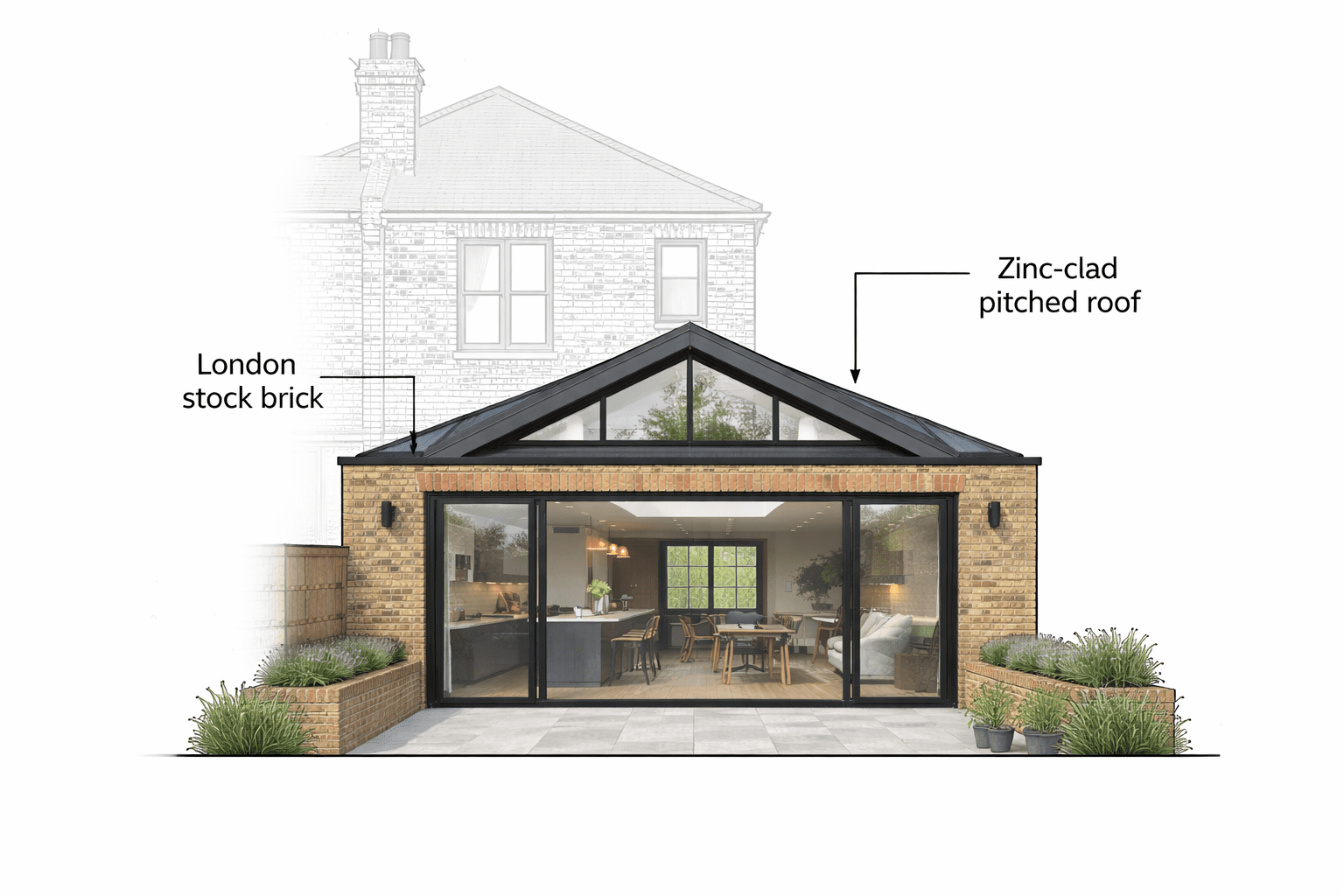
We always advise our clients to get the correct paperwork in place, this will provide peace of mind for the future, should you decide, to re mortgage, or sell the property, or, if there is a Local or National planning policy change, getting the correct paperwork in place will save you time and money in the long run.
Contact us today, to discuss your project, we have a 99% planning success rate and a 100% with all other applications.

Our approval success rates speak for themselves, don't leave it to chance, contact us today!