- HOME
- OUR SERVICES
- PLANNING DRAWINGS
- HOUSE EXTENSIONS
- LOFT CONVERSION
- OUTBUILDINGS & GARDEN ROOMS
- PERMITTED DEVELOPMENT & LAWFUL DEVELOPMENT PACKS
- HMO C4 & SUI GENERIS
- FLAT CONVERSIONS
- CHANGE OF USE
- LISTED BUILDING CONSENT
- NEW BUILD
- RETROSPECTIVE PLANNING
- PLANNING APPEALS
- PLANNING Vs PERMITTED DEVELOPMENT
- FULL PLANNING APPLICATIONS
- BUILDING REG’S
- LONDON HUB
- PRICING
- ABOUT US
- CONTACT US

SMARTePLANS® Experts in Planning!
CALL: 0800 6122 067
Email: team@smarteplansuk.com
SMARTePLANS®
167-169 Great Portland Street, London, W1W 5PF
Building Regulations Drawings & Plans from £595
Building Regs Drawings from £595
Detailed Building Regulations drawings and specifications for builder quotes and Building Control submission, with application management available.
- Extensions . Conversions . New Builds . Commercial
Planning + Building Regs from £995
SAVE £195
Complete Planning and Building Regulations drawing packages, including application submission and management.
- Extensions . Conversions . New Builds . Commercial
Planning Drawings
from £595
Planning drawings, application submission and full planning agent service included.
- Extensions . Conversions . New Builds . Commercial
Detailed Building Regulations drawings, construction details and technical specifications for Building Control approval and construction quotations. Submission and liaison available.
See What's Included in Our Building Regulations Drawings
Explore examples of our professionally prepared Building Regulations drawings, including detailed floor plans, construction sections, technical specifications, drainage layouts and building details. Our drawings are tailored to each project and prepared to support Building Control assessment and construction.
Prices are based on project requirements. Building Control fees, structural engineering calculations and specialist reports are excluded unless expressly included in your quotation.
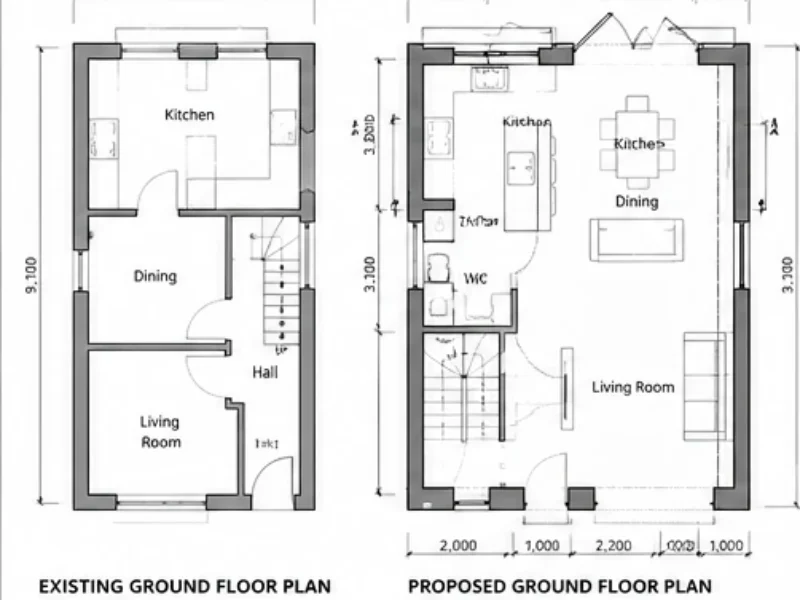
Dimensioned floor plans
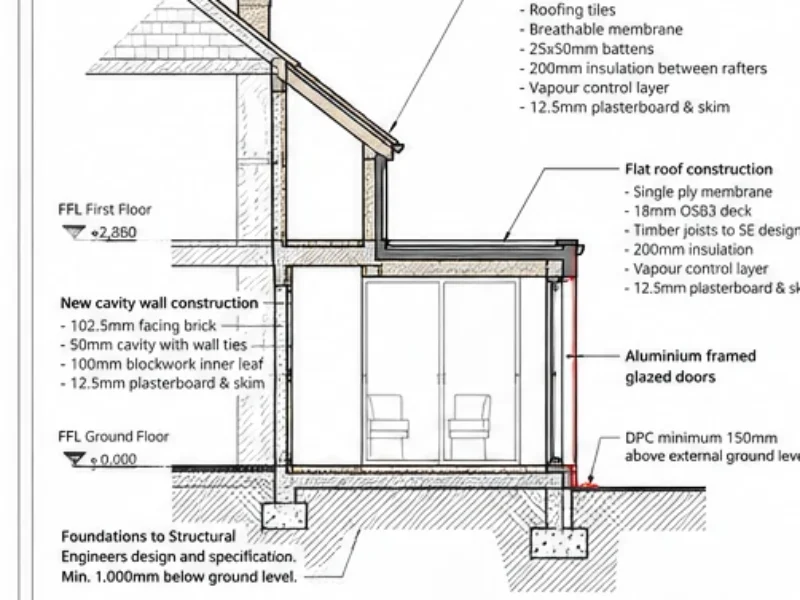
Building sections
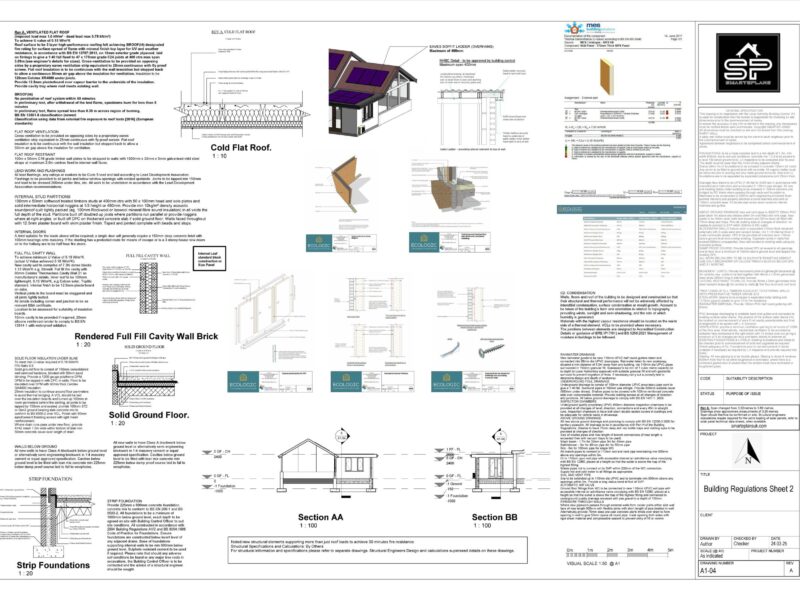
Technical specifications
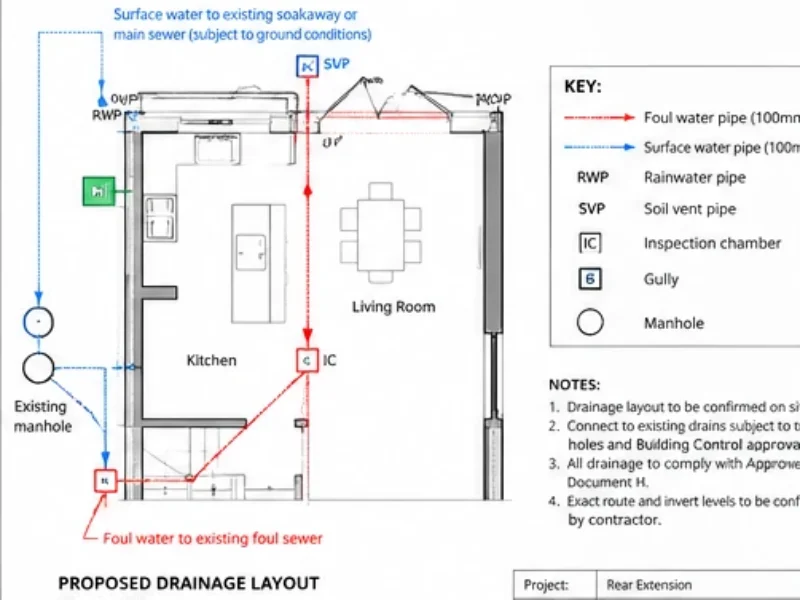
Drainage layouts
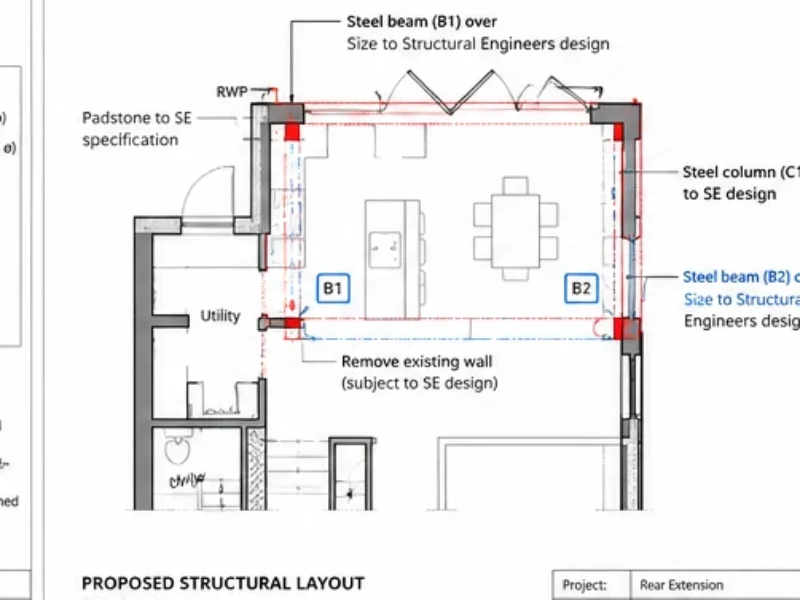
Structural coordination
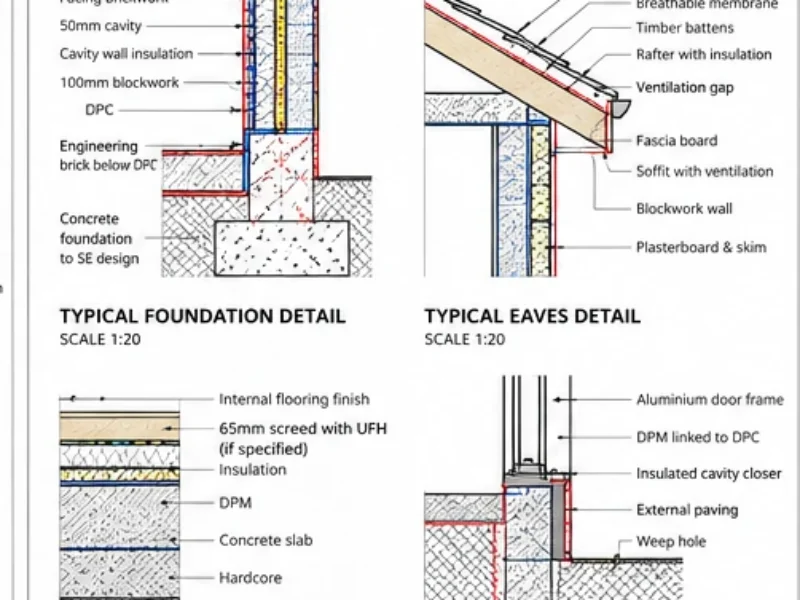
Construction details
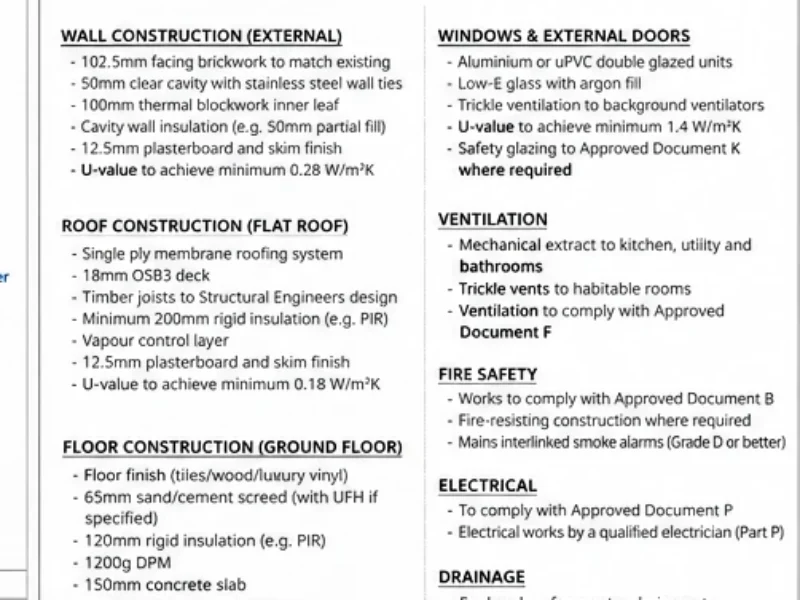
Technical specifications
What Are Building Regulations Drawings?
Building Regulations drawings, also known as building regs drawings or building control drawings, are detailed technical plans and construction specifications prepared to demonstrate how proposed building work is intended to comply with the applicable Building Regulations in England.
Unlike planning drawings, which primarily illustrate a development's layout, design and appearance, Building Regulations drawings provide the technical information needed for Building Control assessment and to guide the construction process.
They typically address structural safety, foundations, wall and roof construction, thermal insulation, fire safety, ventilation, drainage and other requirements relevant to the proposed works.
SMARTePLANS® prepares professional Building Regulations drawings for residential extensions, loft conversions, garage conversions and structural alterations, with fixed-fee services starting from £595.
What's Included in Our Building Regulations Drawings?
Every project is different. Our technical drawing packages are prepared around the particular building work proposed, with the following information included where applicable.
1. Existing and Proposed Floor Plans
Dimensioned architectural drawings showing the existing property and proposed alterations, including room layouts, wall positions, openings, staircases and relevant construction dimensions.
2. Building Sections and Construction Details
Technical sections and enlarged construction details illustrating how the proposed building elements are intended to be constructed.
These may include:
- Foundation arrangements and ground-floor construction
- External cavity walls and internal partitions
- Flat and pitched roof construction
- Floor, wall and roof insulation
- Damp-proof courses and membranes
- Window and door junctions
- Structural openings and connections
3. Thermal Insulation and Energy Efficiency
Technical specifications addressing relevant energy-efficiency requirements under Approved Document L.
These may identify insulation materials, construction build-ups, thermal performance requirements and U-values.
4. Fire Safety and Means of Escape
Project-specific information addressing relevant provisions of Approved Document B, including fire-resisting construction, escape routes, smoke detection and protected stairways where required.
5. Ventilation and Moisture Control
Information addressing relevant ventilation and moisture-control requirements, including mechanical extract ventilation, background ventilation and condensation considerations.
6. Drainage Layouts
Where applicable, drawings showing proposed foul and surface-water drainage arrangements, inspection chambers, pipe routes and connections.
7. Structural Engineering Coordination
Structural openings, beams, lintels and other load-bearing elements can be identified and coordinated with structural engineering designs.
Structural calculations and specialist engineering designs are available as additional services where required.
8. Construction Specifications
Relevant technical notes and material specifications to support Building Control assessment and assist contractors in understanding the proposed construction.
Our objective is to provide clear, coordinated technical drawings that support Building Control assessment and help reduce uncertainty during construction.
Building Regulations Drawings for Different Project Types
SMARTePLANS provides Building Regulations drawings for a wide range of residential building projects.
House Extensions
Technical drawings for single-storey, two-storey, rear, side and wrap-around extensions, including foundations, structural alterations, wall and roof construction, insulation and drainage.
Loft Conversions
Building Regulations drawings for dormer, hip-to-gable, mansard and rooflight loft conversions, addressing structural alterations, stair arrangements, fire safety, insulation and ventilation.
Garage Conversions
Technical specifications for converting existing garages into habitable accommodation, including floor construction, insulation, ventilation, fire protection and alterations to external openings.
Internal Structural Alterations
Drawings for removing load-bearing walls, forming structural openings, installing new staircases and undertaking internal reconfiguration.
Outbuildings and Annexes
Building Regulations drawing packages for relevant outbuilding and annex projects, where the proposed works are subject to Building Regulations requirements.
Flat Conversions and HMOs
Technical drawing services for residential subdivisions and HMO conversions, including coordination of relevant fire safety, acoustic separation, ventilation and other specialist requirements.
Larger Residential Projects
We also assist with more complex residential alterations and conversions requiring coordinated architectural, structural and specialist technical information.
Building Control Compliance — Which Regulations Apply?
Building Regulations drawings are prepared with reference to the relevant requirements of the Building Regulations and associated Approved Documents in England.
Depending on the project, these may include:
- Part A — Structure: Structural stability and load-bearing construction.
- Part B — Fire Safety: Means of escape and fire protection.
- Part C — Site Preparation and Moisture: Resistance to moisture and relevant ground conditions.
- Part E — Resistance to Sound: Acoustic performance and sound insulation.
- Part F — Ventilation: Ventilation of habitable rooms and other spaces.
- Part G — Sanitation and Water Efficiency: Sanitary facilities, hot water safety and water efficiency.
- Part H — Drainage and Waste Disposal: Foul and surface-water drainage.
- Part K — Protection from Falling: Stairs, guarding and relevant safety provisions.
- Part L — Conservation of Fuel and Power: Thermal insulation and energy performance.
- Part M — Access to and Use of Buildings: Relevant accessibility provisions.
- Part P — Electrical Safety: Electrical installation safety.
Not every requirement applies to every project. Our drawing specifications are tailored to the relevant work and coordinated with specialist information where necessary.
Building Control approval is determined by the relevant Building Control body and cannot be guaranteed by the preparation of drawings alone.
Why Choose SMARTePLANS® for Building Regulations Drawings?
Over 25 Years' Experience
Extensive planning and architectural drawing experience covering residential extensions, conversions and more complex building projects.
Professional, Site-Specific Drawings
Detailed technical drawings and specifications prepared for the individual project rather than generic drawing templates.
Fixed-Fee Pricing From £595
Clear quotations identifying the agreed scope of work and any additional services required.
Planning and Building Regulations Services
We can provide coordinated planning and technical drawing packages, helping maintain continuity between the design and construction stages.
Structural Engineering Coordination
Structural engineering calculations and specialist designs can be arranged or coordinated where required.
Measured Surveys and 3D Laser Scanning
Professional measured surveys and 3D scanning services are available where accurate existing building information is required.
Fast Turnaround
Expedited drawing preparation is available for suitable projects, depending on complexity and the availability of the necessary information.
Building Control Application Support
Application preparation, submission and liaison can be included within the agreed professional service.
Our Building Regulations Drawing Process
Step 1 — Initial Project Assessment
Provide your property details, existing drawings, photographs and a description of the proposed building works.
We review the available information and identify the technical drawing requirements.
Step 2 — Fixed-Fee Quotation
We provide a quotation outlining the proposed drawing package, professional services and any additional requirements.
Step 3 — Technical Drawing Preparation
Our team prepares the Building Regulations drawings, construction details and relevant specifications.
Step 4 — Technical Review and Coordination
We review the drawings and coordinate structural engineering or specialist technical information where necessary.
Step 5 — Building Control Application
Where included in our appointment, we prepare and submit the relevant application to the appropriate Building Control body.
Step 6 — Building Control Liaison
We respond to relevant technical queries and coordinate drawing amendments within the agreed scope of our services.
Get Your Building Regulations Drawings Started Today
Whether you're planning a house extension, loft conversion, garage conversion or structural alteration, SMARTePLANS can prepare the professional technical drawings required for your project.
Building Regulations Drawings From £595
Fixed Fees · Professional Technical Drawings · Fast Turnaround · Building Control Support
GET YOUR FREE FIXED-PRICE QUOTE
Call 0800 6122 067 to discuss your project.
Building Regulations FAQ
Our Building Regulations drawing packages start from £595, with clear fixed-fee pricing. The final cost depends on the size and complexity of the project and any additional technical or structural information required. Request a free quote and we'll confirm the cost before work begins.
Building Regulations drawings are detailed technical drawings and specifications showing how a project should be constructed to meet the applicable Building Regulations. They typically cover matters such as structure, insulation, fire safety, ventilation, drainage and construction details.
Most house extensions require Building Regulations approval. Detailed drawings can provide Building Control and your builder with the technical information required to assess and construct the project correctly.
Yes. Planning drawings primarily show the design and appearance of the proposed development, while Building Regulations drawings contain considerably more technical construction and compliance information. We can prepare both stages where required.
Yes. We can prepare the Full Plans package and, where included in your service, submit the application and liaise with Building Control on your behalf.
We can typically prepare initial Building Regulations drawings within 72 hours once we have all the information required to begin. More complex projects may require additional time, which we'll confirm at the outset.

Our approval success rates speak for themselves, don't leave it to chance, contact us today!